The Reality of Heat Pump Installations in Older Maine Houses
Always There Heating LLC • September 16, 2026
Installing modern heating equipment is a massive investment, and you deserve complete honesty about what the final results will look like. The team at Always There Heating LLC frequently speaks with homeowners who have unrealistic expectations about how new technology performs in aging properties. As the mid September chill settles over Maine, many residents rush to upgrade their systems without understanding the structural limitations of their houses. We believe in setting the record straight before any tools come off the truck.
Adding a brand new heating system to a century old farmhouse will not magically fix cold floors or drafty windows. Modern equipment operates differently than the massive cast iron boilers from decades past, and the installation process requires careful planning. By understanding the true capabilities of these systems, you can make confident decisions that actually improve your daily comfort. Let us look at the realities of updating the heating in older construction.
In This Article:
- The Truth About Drafts and Heat Loss
- Realistic Timelines for Heat Pump Installation in Older Homes
- How Client Action Improves Final Performance
- Frequently Asked Questions
- Making Confident Heating Decisions
The Truth About Drafts and Heat Loss
A common overestimation we encounter is the belief that a powerful new heat pump will completely eliminate cold spots in a poorly insulated house. People assume that simply blowing warmer air into a room will override the heat escaping through single pane windows and uninsulated walls. The reality is that heating equipment only replaces the heat your house loses. If your building envelope leaks terribly, even the most efficient system in the world will struggle to keep up during a January blizzard.
→ From a professional standpoint: Your new heating system can only perform as well as the insulation surrounding it.
Realistic Timelines for Heat Pump Installation in Older Homes
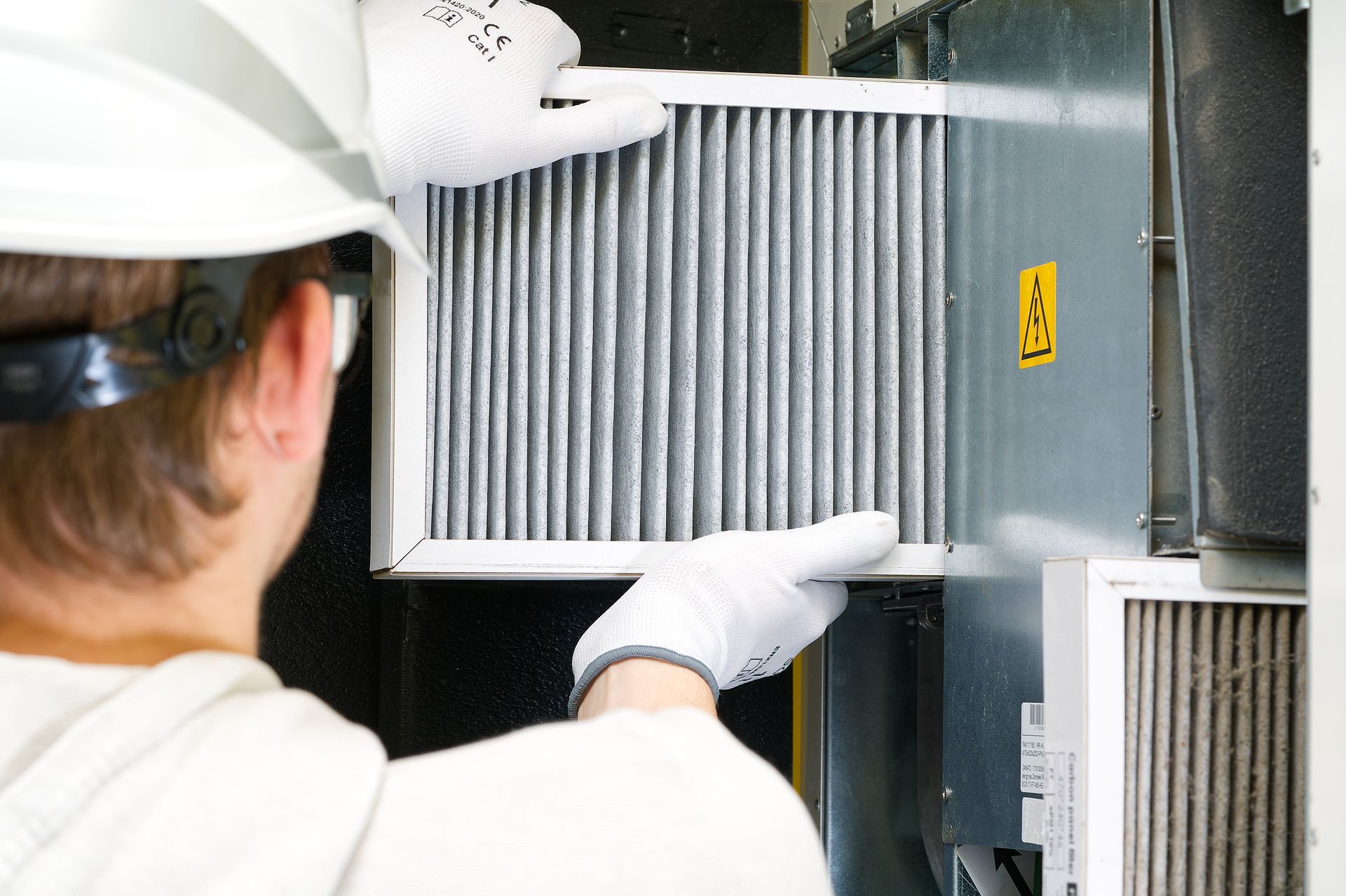
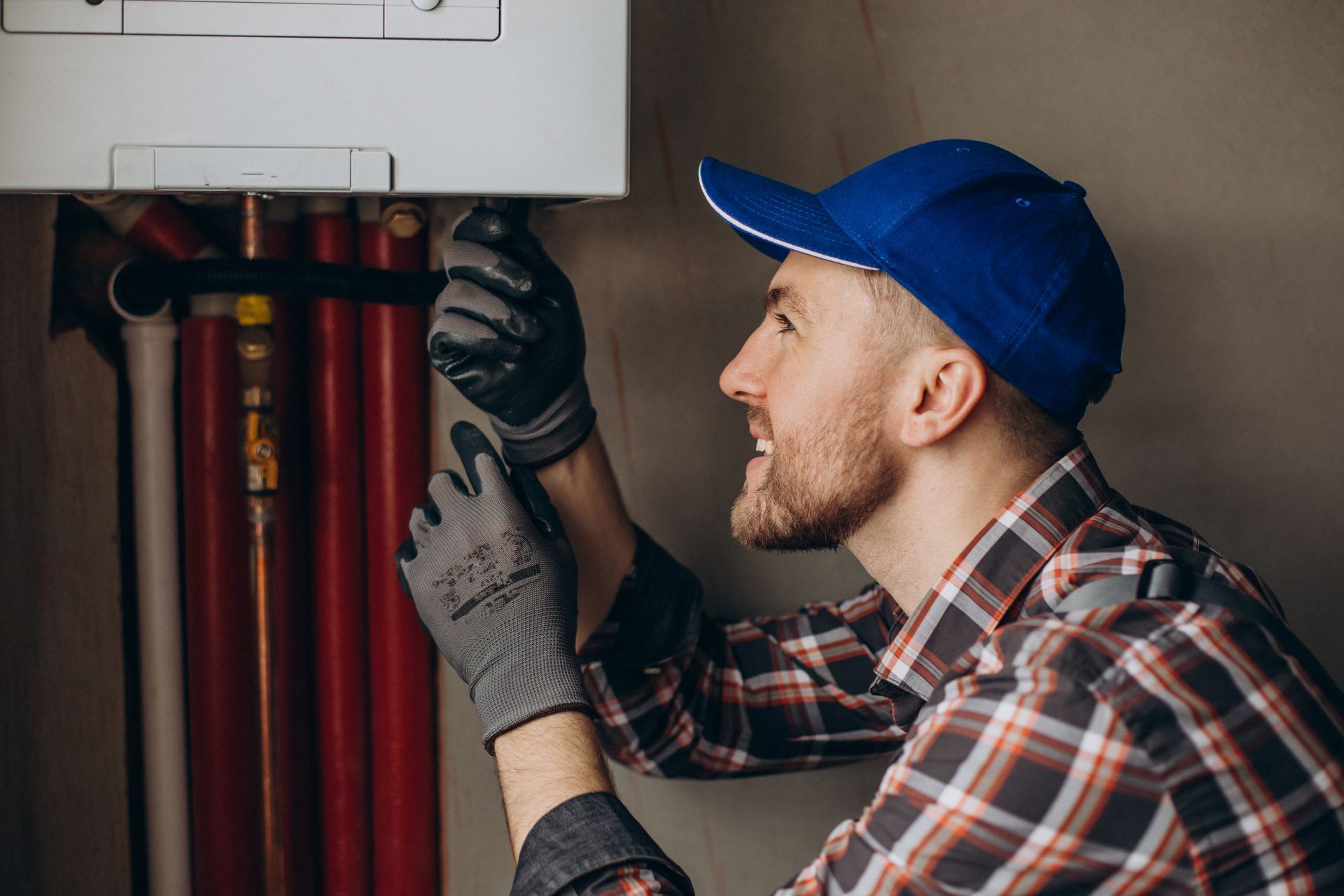
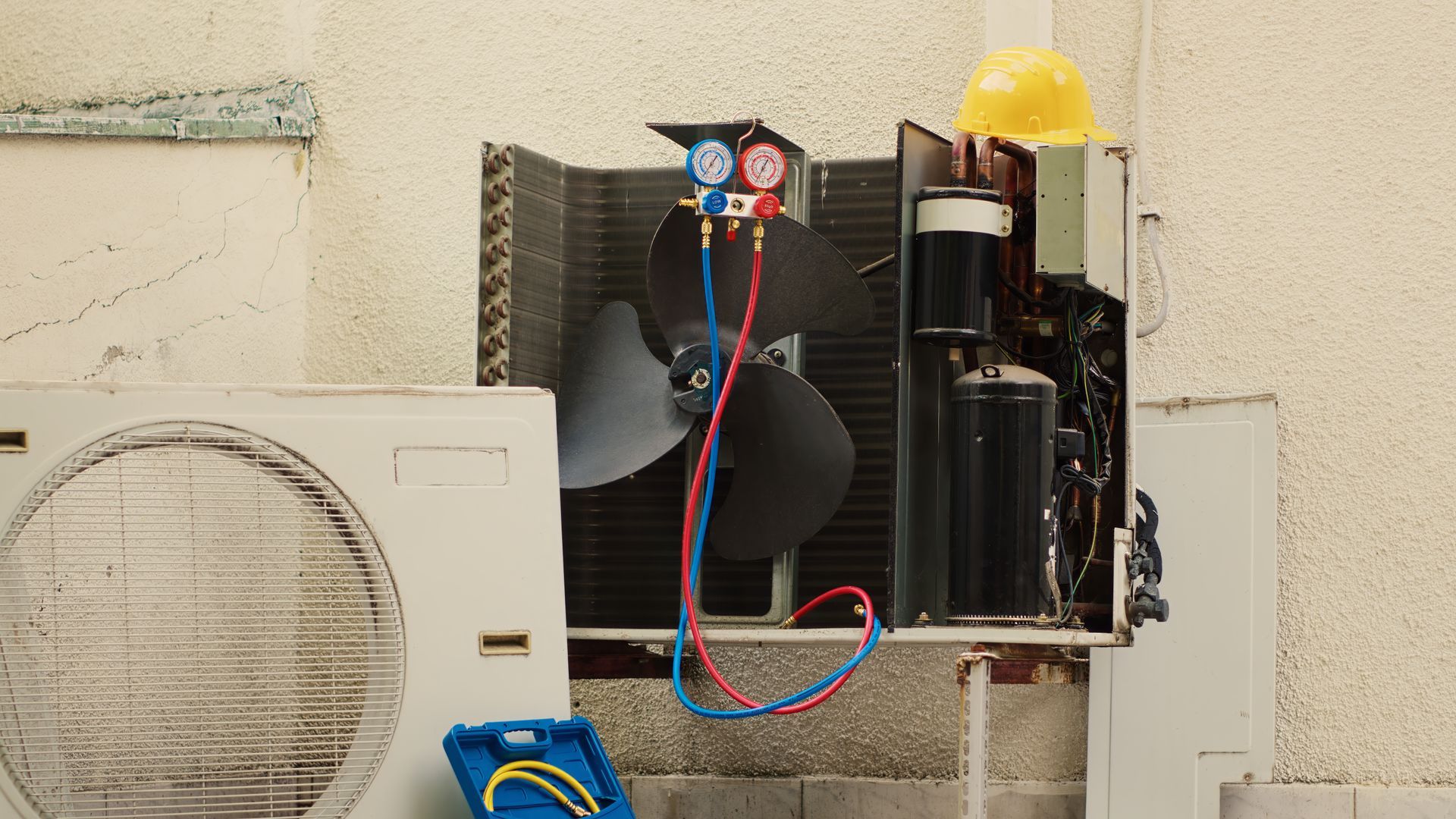
Many homeowners expect a replacement job to take a few hours. In reality, retrofitting modern equipment into houses built fifty or a hundred years ago takes time. Our technicians often have to navigate narrow basements, thick granite foundations, and outdated electrical setups just to get the new unit mounted safely. Establishing solid electrical connections and integrating the outdoor unit with existing infrastructure usually takes one to two full days of focused labor. We never rush this process because cutting corners on the refrigerant lines or wiring leads to massive system failures down the road.
→ A quick tip to remember: Quality boiler-furnace installation or heat pump work in tight historical spaces cannot be rushed.
How Client Action Improves Final Performance
The best results come when the homeowner takes an active role in weatherizing the property before the installation begins. Upgrading attic insulation and sealing gaps around exterior doors drastically reduces the heating load required for the space. When you tighten up the house, we can often install a smaller and more affordable unit that runs incredibly efficiently. Addressing these areas of heat loss guarantees your new equipment will actually lower your utility bills rather than just running constantly to fight drafts.
→ From a professional standpoint: Spending money on spray foam and weatherstripping pays off by lowering the required size of your new equipment.
Frequently Asked Questions
Can a heat pump replace a gas furnace in a drafty house?
Yes, but doing so without adding insulation is a bad idea. Heat pumps provide a steady, lower temperature heat compared to the intense blast of a gas furnace. If the house is extremely drafty, the heat pump will run constantly trying to maintain the temperature, leading to high electricity bills and poor indoor comfort.
Do I need to upgrade my electrical panel for a new heat pump?
Often times, older homes with original electrical panels cannot handle the dedicated high voltage circuits required for modern heating equipment. We assess your existing electrical load during the initial property evaluation to determine if an upgrade is necessary. Hooking up a heavy electrical draw to an outdated panel creates serious fire hazards and trips breakers constantly.
How do you calculate heat pump size for older construction?
We never guess based solely on the square footage of the building. We use diagnostic tools like thermal imaging cameras and precise load calculations that factor in the exact insulation quality, window types, and ceiling heights of your specific rooms. This precise measurement ensures we do not install an oversized unit that short cycles or an undersized unit that freezes up in winter.
Making Confident Heating Decisions
Getting real answers about how new equipment behaves in an older home prevents expensive surprises. Knowing your property limits and addressing structural drafts ahead of time guarantees a much better return on your investment. Call our office to discuss your property and schedule an honest evaluation of your current heating setup.
Share This Blog