Why Your Maine Heat Pump Is Short Cycling and How to Fix It Now
Always There Heating LLC • August 5, 2026
The muggy August heat in Kennebec County can push your cooling equipment to its absolute limit. If your system keeps turning on and off every few minutes, you are dealing with a problem that requires heat pump short cycling repair before the unit burns out completely. The team at Always There Heating LLC sees this issue frequently during the peak summer months. We know how frustrating it is to hear the motor constantly kicking on without ever reaching a comfortable temperature inside your home.
This constant starting and stopping wears out expensive components fast and drives up your monthly utility bills. The good news is that diagnosing the root cause early can save you from a massive replacement bill right before winter arrives. A simple annual tune-up often catches these vulnerabilities before they cause the compressor to fail. Let us look at the mechanical reasons your system is struggling to complete a full cooling cycle.
What We Cover:
- Dirty Air Filters Restricting Airflow
- Low Refrigerant Levels Triggering Safety Controls
- What causes a heat pump to short cycle in cooling mode?
- Why DIY Heat Pump Troubleshooting Often Makes the Problem Worse
- Oversized Equipment Leading to Rapid Cooling Cycles
- Securing Your Comfort for the Changing Seasons
Dirty Air Filters Restricting Airflow
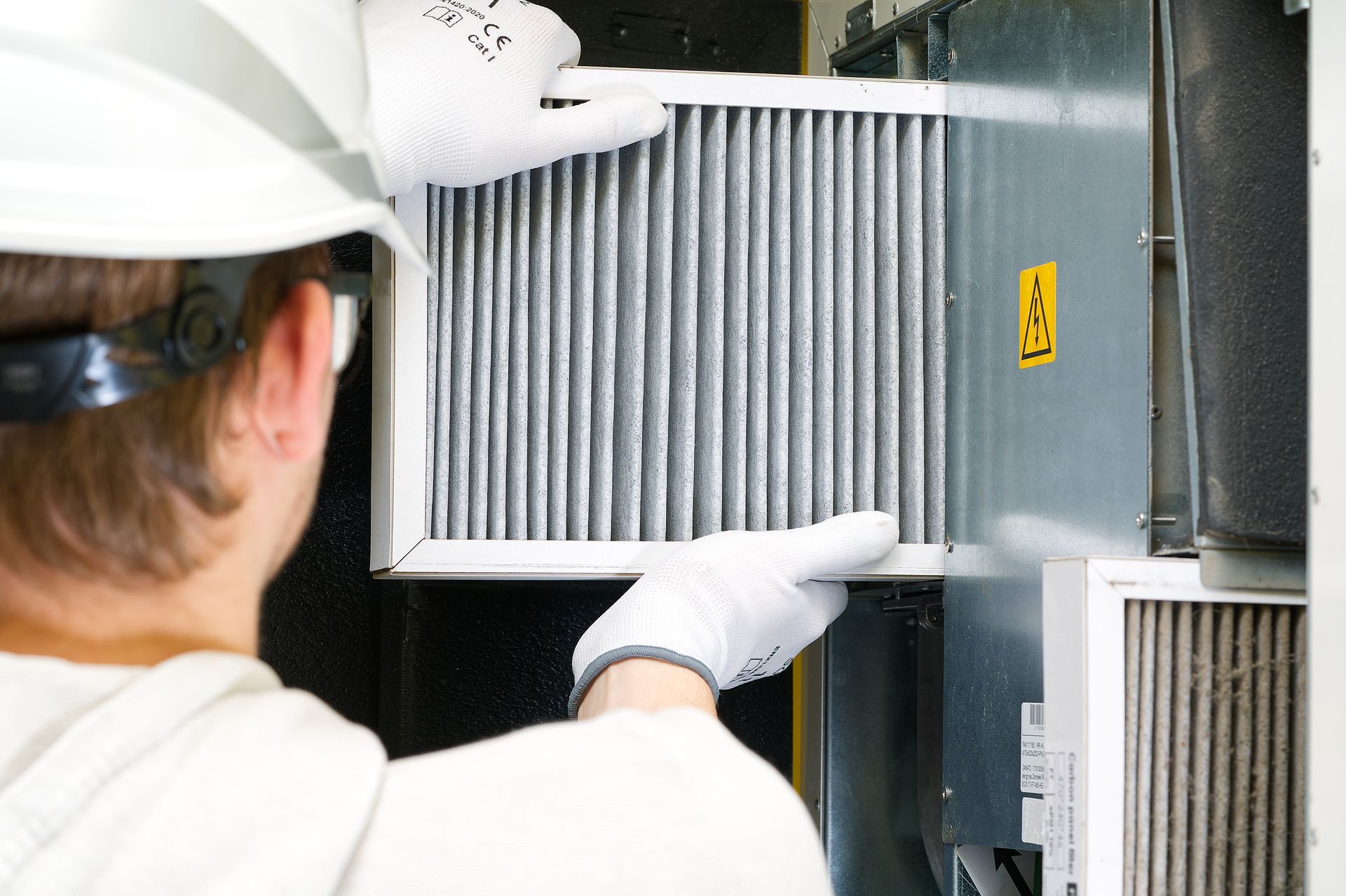
Your system needs a massive amount of moving air to operate correctly. When a thick layer of dust and pet hair clogs the filter, the blower motor works twice as hard to pull air into the air handler. This restriction traps cold air inside the coil and causes the internal temperature to drop rapidly.
Once the coil freezes over, safety sensors force the unit to shut down to prevent motor damage. The ice then melts, the system turns back on, and the vicious cycle repeats itself endlessly. Swapping out a filthy fiberglass or pleated filter for a fresh one is the easiest way to rule out basic airflow restriction.
→ A quick tip to remember: If your filter looks like a grey sweater, it is already suffocating your blower motor.
Low Refrigerant Levels Triggering Safety Controls
Your cooling equipment relies on a precise charge of refrigerant to move heat out of your house. Leaks can develop slowly over time due to vibrations or corrosion on the copper lines. When the fluid level drops below the manufacturer specification, the pressure inside the lines fluctuates wildly.
What causes a heat pump to short cycle in cooling mode?
A low refrigerant charge is one of the most common answers to this question because modern systems have built in low pressure switches. When the pressure drops too far during operation, the switch cuts the power instantly to protect the compressor from burning up. The pressure slowly equalizes after the shutdown, the system tries to run again, and the cycle continues. Fixing this requires a professional to locate the leak, seal the copper, and recharge the system with the exact weight of R-410A required.
→ From a professional standpoint: Adding refrigerant without finding the leak is like putting air in a tire with a nail still stuck inside.
Why DIY Heat Pump Troubleshooting Often Makes the Problem Worse
Homeowners understandably want to save money and get their cooling back online fast. Online videos make it look easy to bypass safety switches or top off refrigerant levels using cheap kits from the auto parts store. These attempts usually end in disaster because residential heating and cooling systems operate under high voltage and extreme pressure.
Bypassing a safety switch removes the only line of defense protecting your expensive compressor from total mechanical failure. Mixing the wrong type of refrigerant or introducing moisture into the lines will turn the internal compressor oil to sludge. This ruins the entire outdoor unit and turns a basic repair into a massive replacement project.
→ From a professional standpoint: A blown compressor caused by bypassed safety controls will void your factory warranty entirely.
Oversized Equipment Leading to Rapid Cooling Cycles
Sometimes the problem has nothing to do with broken parts and everything to do with improper heat pump installation. If the contractor who installed your unit put in a system that is too large for your square footage, it will blast the rooms with cold air and satisfy the thermostat almost instantly. The unit then shuts off before it has a chance to pull the sticky summer humidity out of the air.
You are left with a house that feels cold and clammy while the equipment constantly turns on and off all day long. An oversized unit never runs long enough to reach peak efficiency. The only real solution for this situation is properly calculating the load based on your insulation and windows to see if the unit needs to be downsized.
→ A quick tip to remember: Bigger is not better when it comes to cooling your home.
Securing Your Comfort for the Changing Seasons
A system that struggles to cool your house in August will certainly struggle to heat it when the first frost hits Maine. Catching short cycling early protects the mechanical components from premature wear and tear. Having an expert track down the root cause ensures your home stays comfortable without wasting expensive electricity. Reach out to our team in Manchester to get your equipment running smoothly before the seasons change.
Share This Blog